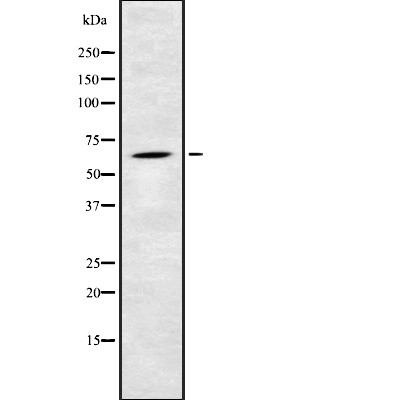
AMP/ATP-binding subunit of AMP-activated protein kinase (AMPK), an energy sensor protein kinase that plays a key role in regulating cellular energy metabolism. In response to reduction of intracellular ATP levels, AMPK activates energy-producing pathways and inhibits energy-consuming processes: inhibits protein, carbohydrate and lipid biosynthesis, as well as cell growth and proliferation. AMPK acts via direct phosphorylation of metabolic enzymes, and by longer-term effects via phosphorylation of transcription regulators. Also acts as a regulator of cellular polarity by remodeling the actin cytoskeleton; probably by indirectly activating myosin. Gamma non-catalytic subunit mediates binding to AMP, ADP and ATP, leading to activate or inhibit AMPK: AMP-binding results in allosteric activation of alpha catalytic subunit (PRKAA1 or PRKAA2) both by inducing phosphorylation and preventing dephosphorylation of catalytic subunits. ADP also stimulates phosphorylation, without stimulating already phosphorylated catalytic subunit. ATP promotes dephosphorylation of catalytic subunit, rendering the AMPK enzyme inactive.
Description
Rabbit polyclonal antibody to AMPKgamma2
Applications
WB.
Immunogen
AMPKgamma2 Antibody detects endogenous levels of total AMPKgamma2.
Reactivity
Human, Mouse, Rat.
可预测:Pig(90%), Rabbit(%), Dog(%)
Molecular weight
65kDa; 63kD(Calculated).
Host species
Rabbit
Ig class
Immunogen-specific rabbit IgG
Purification
Antigen affinity purification
Full name
AMPKgamma2
Synonyms
5''-AMP-activated protein kinase subunit gamma-2; AAKG; AAKG2; AAKG2_HUMAN; AMPK gamma2; AMPK subunit gamma 2; AMPK subunit gamma-2; CMH6; H91620p; Prkag2; Protein kinase AMP activated gamma 2 non catalytic subunit; WPWS;
Storage
Rabbit IgG in phosphate buffered saline , pH 7.4, 150mM NaCl, 0.02% sodium azide and 50% glycerol. Store at -20 °C. Stable for 12 months from date of receipt.
Swissprot
Q9UGJ0




 产品订购:
产品订购:
 渠道电话:
渠道电话: